Top 10 Hill Stations in South India
When the sweltering heat becomes unbearable, there's nothing quite like retreating to the cool, misty embrace of South India's hill stations. These mountain getaways aren't just about pleasant weather—they're about waking up to valleys wrapped in fog, breathing in the aroma of fresh coffee and tea, and discovering landscapes that seem almost too beautiful to be real.
Having explored these destinations extensively, I've compiled this guide to help you plan the perfect mountain escape. Whether you're seeking adventure, romance, or simply a break from city chaos, South India's hill stations deliver experiences you won't forget.
Why South India's Hill Stations Are Special
Unlike their counterparts in North India, the hill stations of South India offer something uniquely tropical. Think endless tea estates instead of pine forests, spice-scented air instead of deodar trees, and a perfect blend of colonial heritage with indigenous culture. The Western Ghats and Eastern Ghats cradle these mountain towns, creating microclimates that stay pleasant even when the plains are baking.
1. Ooty (Udhagamandalam), Tamil Nadu - Where Royalty Took Refuge
Why Visit: There's a reason Ooty earned its title as the "Queen of Hill Stations". This Nilgiri gem has been charming visitors since the British colonial era, and its appeal hasn't faded one bit.
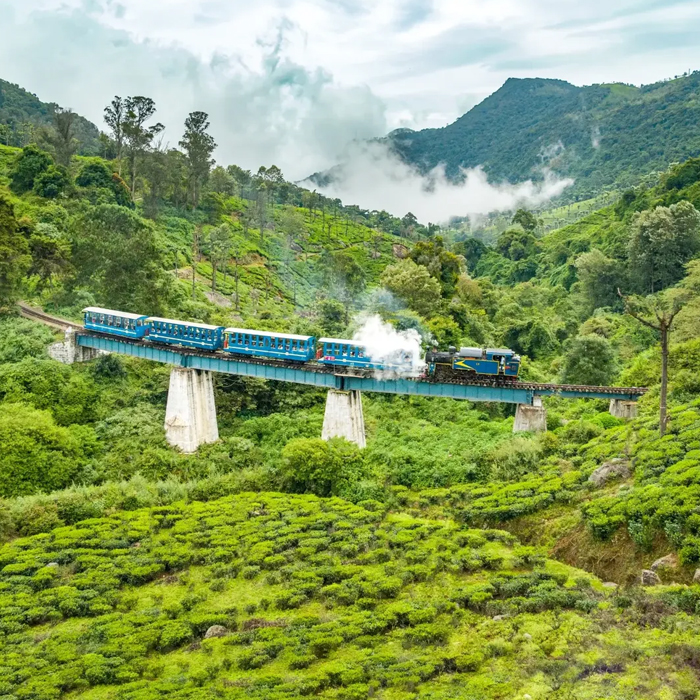
The Nilgiri Mountain Railway—a UNESCO World Heritage Site—chugs through tunnels and over bridges, offering views that belong on postcards. The journey itself is half the experience.
Don't Miss:
- Botanical Gardens: 55 acres showcasing rare botanical specimens in meticulously maintained sections
- Doddabetta Peak: Standing at the highest point in Tamil Nadu, you'll understand why photographers arrive before dawn
- Ooty Lake: Rent a paddleboat and spend a lazy afternoon on the water
Best Time to Visit: March to June for pleasant weather, though October to February offers clearer skies
Perfect For: Honeymooners, families, photography enthusiasts
2. Munnar, Kerala - Tea Gardens That Touch the Sky
Why Visit: If you've ever wondered where your morning tea comes from, Munnar provides the answer in the most spectacular way possible. This is the Switzerland of South India, and that comparison isn't an exaggeration.
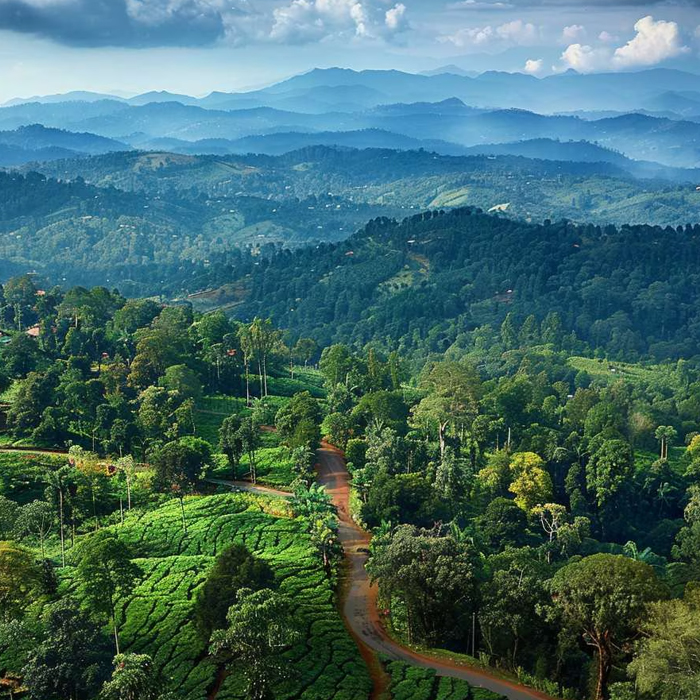
Endless tea plantations roll across hills like green carpets, interrupted only by the occasional church spire or tea factory. The air here has a crispness that makes you want to take deeper breaths.
Must-See Attractions:
- Eravikulam National Park: Home to the endangered Nilgiri Tahr—if you're lucky, you'll spot these mountain goats against dramatic cliff backdrops
- Anamudi Peak: South India's highest point attracts serious trekkers seeking that summit feeling
- Attukal Waterfalls: A moderate hike leads to these falls, where the spray creates rainbows on sunny days
Insider Tip: Visit a tea factory early morning to see the processing in action, and don't leave without buying fresh tea directly from estates.
Ideal Duration: 3-4 days to truly soak in the experience
3. Coorg (Kodagu), Karnataka - Coffee, Mist, and Culture
Why Visit: The "Scotland of India" isn't just about stunning landscapes—it's about experiencing a distinct culture. The Kodava people have their own traditions, cuisine, and even martial arts.
Coffee plantations here produce some of India's finest beans, and staying at a plantation homestay is an experience that connects you to the land in ways hotels never can.
Top Experiences:
- Abbey Falls: The roar of water plunging through coffee and spice plantations is nature's symphony
- Dubare Elephant Camp: Get up close with elephants—bathing them in the river is unforgettable
- Raja's Seat: Legend says kings watched sunsets from this garden, and you'll understand why
Foodie Alert: Try Pandi Curry (pork curry) and Kadambuttu (rice dumplings)—Kodava cuisine is bold and distinctive.
Best Season: October to March for the perfect coffee harvest experience
4. Kodaikanal, Tamil Nadu - The Princess of Serenity
Why Visit: While Ooty gets the crowds, Kodaikanal maintains a quieter dignity. Perched in the Palani Hills, this "Princess of Hill Stations" attracts those seeking peace over bustle.
The star-shaped Kodai Lake reflects surrounding hills perfectly on calm mornings—it's meditation without trying.
Key Attractions:
- Kodai Lake: Cycling around this lake as mist lifts is magical
- Pillar Rocks: Three massive rock formations standing 400 feet tall inspire both awe and excellent photographs
- Berijam Lake: Tucked away in forests, this requires a permit but rewards with solitude
Unique Factor: The higher altitude means genuinely cool weather year-round—pack a jacket even in summer.
Duration: 2-3 days for main attractions, longer for trekking enthusiasts
5. Chikmagalur, Karnataka - Coffee's Birthplace
Why Visit: Legend says coffee was first planted in India at Chikmagalur. Today, this Karnataka hill station offers everything Coorg does but with fewer tourists and more tranquility.
The Western Ghats scenery here is pristine—dense forests, gurgling streams, and coffee estates that seem to have no end.
What Makes It Special:
- Mullayanagiri Peak: Karnataka's highest peak challenges trekkers with steep climbs and rewards with 360-degree views
- Baba Budangiri Hills: Named after a Sufi saint, these hills blend spiritual significance with trekking opportunities
- Hebbe Falls: Accessible only by jeep through coffee estates, making the journey as memorable as the destination
Coffee Experience: Stay at a plantation, learn about coffee processing, and taste single-origin brews that never make it to stores.
Ideal For: Adventurers, coffee lovers, those seeking offbeat destinations
6. Wayanad, Kerala - Where Wildlife Meets Waterfalls
Why Visit: Wayanad isn't just one destination—it's an entire district filled with surprises. Prehistoric caves, spice gardens, wildlife sanctuaries, and waterfalls create an adventurer's playground.
The landscape here is dramatic, with sudden cliffs, hidden caves, and forests that feel primeval.
Unmissable Spots:
- Edakkal Caves: Climb to these caves to see rock art dating back thousands of years—history literally carved in stone
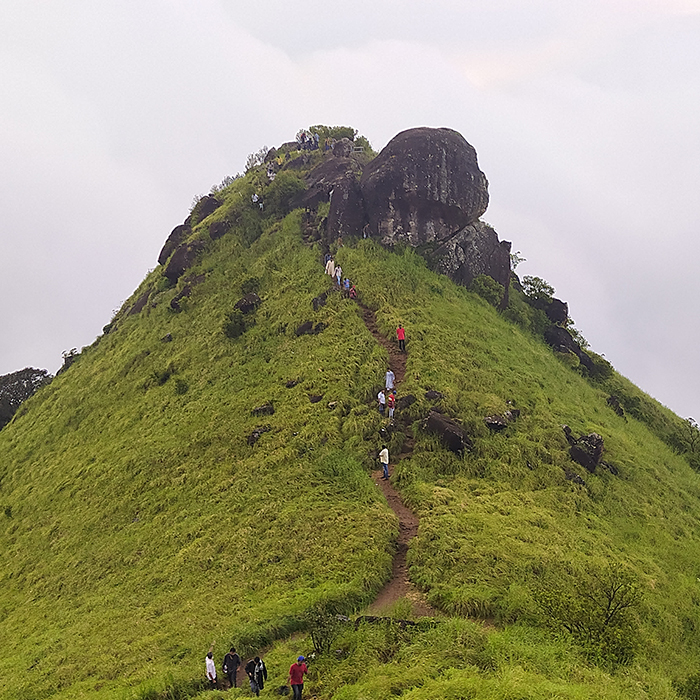
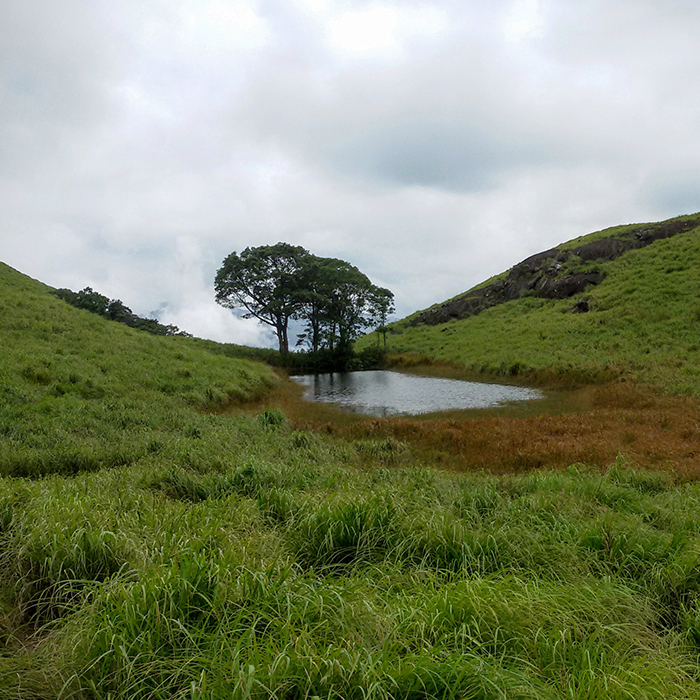
- Chembra Peak: The trek to this peak includes a heart-shaped lake that's become Instagram famous for good reason
- Meenmutty Waterfalls: Kerala's largest waterfall requires a 2km trek through forests—the sound reaches you long before the sight
Wildlife Bonus: Wayanad Wildlife Sanctuary offers safari experiences where elephant sightings are common.
Best Months: October to May for trekking and wildlife spotting
7. Coonoor, Tamil Nadu - Ooty's Quieter Cousin
Why Visit: Just 19 kilometers from Ooty, Coonoor offers similar landscapes without the tourist rush. It's where locals go when they want to escape.
The Nilgiri Mountain Railway stops here too, but fewer travelers disembark, which means more authentic experiences await.
Hidden Gems:
- Sim's Park: Over 1,000 plant species create a living encyclopedia of botany
- Lamb's Rock: The viewpoint gets its name from Captain Lamb, but the views belong to everyone who makes the trip
- Dolphin's Nose: This rock formation jutting out 1,000 feet offers vertigo-inducing views of the valley
Tea Estate Tours: More accessible and less commercialized than Munnar's, giving genuine insight into tea production.
Perfect For: Those who find Ooty too crowded, tea enthusiasts
8. Yercaud, Tamil Nadu - The Budget-Friendly Beauty
Why Visit: Dubbed the "Poor Man's Ooty," Yercaud offers mountain beauty without the hefty price tag. Located in the Shevaroy Hills, it maintains a small-town charm that's increasingly rare.
Coffee plantations dominate the landscape, creating aromatic corridors as you drive through.
Top Spots:
- Yercaud Lake: Smaller and quieter than Ooty's, perfect for peaceful boat rides
- Lady's Seat: Time your visit for sunset—the sky turns shades you didn't know existed
- Killiyur Falls: A challenging trek through forests leads to these impressive cascades
Accessibility: Being less commercialized means fewer facilities but more authentic interactions with locals.
Duration: A long weekend suffices for most attractions
9. Idukki, Kerala - The Unexplored Paradise
Why Visit: Idukki remains wonderfully under-toured despite having some of Kerala's most dramatic scenery. Dense forests, the highest arch dam in Asia, and wildlife sanctuaries make this a nature lover's dream.
The spice plantations here are extensive—the air literally smells of cardamom, pepper, and vanilla.
Standout Attractions:
- Idukki Arch Dam: Engineering marvel set in a valley so scenic it doesn't feel real
- Periyar Wildlife Sanctuary: Boat safaris on Periyar Lake offer wildlife viewing from a unique perspective
- Meesapulimala: South India's second-highest peak, less crowded than Anamudi for serious trekkers
- Hill View Park: Multiple viewpoints showcase Idukki's diverse topography
Eco-Tourism Focus: Many accommodations here practice sustainable tourism, letting you travel responsibly.
Best For: Photographers, wildlife enthusiasts, eco-conscious travelers
10. Araku Valley, Andhra Pradesh - The Eastern Alternative
Why Visit: While everyone heads to the Western Ghats, Araku Valley in the Eastern Ghats remains blissfully peaceful. The journey here via the Visakhapatnam-Araku railway is one of India's most scenic train rides.
Tribal culture here is authentic and living—not a museum exhibit but daily life.
Must-Experience:
- Borra Caves: Million-year-old limestone formations create underground cathedrals of rock
- Padmapuram Gardens: Tree-top cottages and hanging cottages make overnight stays uniquely memorable
- Araku Tribal Museum: Understanding the region's indigenous communities adds depth to your visit
- Coffee Plantations: Organic coffee grown by tribal cooperatives—buy directly to support local communities
Cultural Richness: Weekly tribal markets offer handicrafts and an authentic glimpse into local life.
Getting There: The train journey from Visakhapatnam takes 4-5 hours through 58 tunnels and over bridges—it's worth experiencing both ways.
Planning Your South India Hill Station Adventure
When to Visit
- Summer (March-June): Best for escaping heat, though popular spots get crowded and prices peak
- Monsoon (July-September): Waterfalls at their most powerful, landscapes incredibly green, but landslides can disrupt plans
- Winter (October-February): Pleasant weather, clear views, and festival season—ideal for most travelers
How to Choose Your Destination
- For First-Timers: Start with Ooty, Munnar, or Coorg—well-developed infrastructure makes travel easy
- For Peace Seekers: Try Yercaud, Idukki, or Araku Valley—fewer crowds, authentic experiences
- For Adventure Enthusiasts: Wayanad and Chikmagalur offer extensive trekking, while Munnar has challenging peaks
- For Coffee/Tea Lovers: Munnar (tea), Coorg and Chikmagalur (coffee) let you see your favorite beverage from plant to cup
- For Wildlife: Wayanad and Idukki have robust sanctuary systems with good sighting opportunities
Essential Packing Tips
- Layers: Even summer days can turn chilly by evening in hill stations
- Rain Gear: Sudden showers happen regardless of season
- Comfortable Shoes: Cobblestone streets and trekking trails demand good footwear
- Sunscreen: Higher altitude means stronger UV rays
- Binoculars: For wildlife spotting and distant views
Travel Tips from Experience
- Book Accommodation Early: Hill stations have limited rooms, and good properties fill up fast during peak season
- Rent Vehicles Locally: Most hill stations are better explored with your own transport—mountain roads make waiting for buses frustrating
- Try Local Cuisine: Each hill station has distinctive food influenced by local ingredients and communities
- Respect Nature: These fragile ecosystems need protection—stick to marked trails and dispose of waste properly
- Start Early: Morning light is magical in mountains, plus you'll beat crowds to viewpoints and attractions
- Download Offline Maps: Mobile networks can be patchy in remote areas
Quick Reference: Top 3 Picks by Category
| Category |
Top Destinations |
| Most Romantic |
Munnar, Kodaikanal, Coorg |
| Best for Families |
Ooty, Coonoor, Yercaud |
| Most Adventurous |
Wayanad, Chikmagalur, Idukki |
| Budget-Friendly |
Yercaud, Coonoor, Araku Valley |
| Offbeat Experiences |
Idukki, Araku Valley, Wayanad |
Conclusion: Your Mountain Awaits
South India's hill stations offer more than just cool weather and pretty views. They provide windows into different cultures, opportunities to understand ecology and agriculture, and spaces to reconnect with yourself away from digital noise.
Whether you're sipping freshly brewed coffee in Coorg, trekking to Anamudi's summit in Munnar, or boating across Ooty Lake while toy trains whistle past, these mountains have stories to tell and experiences to offer.
The best part? Each hill station has its own personality. You could visit all ten and never feel repetitive. So pack that bag, book those tickets, and discover why generations of travelers have found solace, adventure, and joy in South India's hill country.
The mountains are calling—which one will you answer first?